Author: movingtonorthtexastx

  • Rent or Buy First When Relocating to Dallas Suburbs?

    Moving to North Dallas from out of state brings one question we hear on almost every first call: should we rent for a year and learn the area, or buy right away and skip the double move?

    There is no universal answer. We have watched both paths work, and we have watched both paths backfire. The right choice depends on your timeline, your job, your kids, and how well you actually know the suburb you are targeting. Start with our Prosper page to see what daily life looks like in the town we call home, then walk through the tradeoffs below.

    The Case for Renting First

    Renting first buys you information. North Dallas suburbs change fast, and two towns that look identical on a listing site can feel completely different in daily life. The commute you mapped at noon is not the commute you will drive at 5 pm. The school your kids attend depends on your exact street address, not the city name on the mailbox, so verify the district by address before you commit to anything.

    A year in a rental lets you learn the area with no pressure. You find out which side of town has the grocery stores you actually use, which neighborhoods empty out at rush hour and which ones fill up, and where your kids land socially before you lock in a school zone for years.

    Renting first also gives you flexibility if life shifts. If the job moves offices, if the role changes, if the relocation itself turns out to be shorter than planned, a lease ends. A house you bought six months ago does not end so cleanly.

    When we moved our family from South Florida to Prosper in 2022, we purchased right away instead of renting first.

    The Case for Buying Right Away

    Buying right away means one move instead of two. Anyone who has moved a family across state lines knows the move itself is the most exhausting part. Doing it twice in twelve months, once into a rental and once into the house, doubles the cost, the chaos, and the days off work.

    Buying right away also settles everything at once. Your kids enroll once, in the school they will actually attend. You get your Texas driver license and register your vehicles once. For reference, Texas gives new residents 90 days to transfer a driver license and 30 days to register and title a vehicle, per the Texas Department of Public Safety. One address from day one keeps all of that simple.

    There is also the money side. Every month of rent is a month you are not building equity in your own home, while you still paid the full cost of the move. For buyers who already know the town, the commute, and the school situation, renting first is often just an expensive delay.

    Before you run the buy now math, read our breakdown of how Texas property taxes are built. The tax bill surprises more out of state buyers than anything else, and it belongs in your budget from the start.

    What Renting First Really Costs You

    Renting first is not free, and the real price is more than the monthly rent. Count the full cost before you call it the safe option.

    First, the double move. Movers, deposits, utility setup, and time off work, twice. Second, the overlap risk. Many buyers end up paying rent and a mortgage at the same time for a month or two while they close and move. Third, temporary living costs more than it looks on paper, because short leases and month to month terms usually run higher per month than a standard 12 month lease.

    Fourth, the school wrinkle most families miss. You can enroll your kids from a rental. A signed lease works as proof of residency in many North Texas districts. Northwest ISD, for example, accepts a current signed lease for enrollment, with a utility bill to follow within 30 days. But if you buy mid school year, your kids may switch schools anyway, which wipes out the stability you rented for in the first place.

    The fix is to match the lease to your real plan. If you intend to buy in six months, do not sign a 14 month lease with a harsh early termination clause. Read the buyout terms before you sign, and ask the leasing office exactly what breaking the lease costs. Get that answer in writing.

    How to Buy From Out of State Without Guessing

    Buying without ever walking the property sounds risky until you see how remote purchases actually work here. The buyers who do it well follow a process, and the process removes the guessing.

    First, get pre approved before you start touring, so every home you look at is one you can actually buy. Second, narrow the map. Pick two or three suburbs that fit your commute, your budget, and your school priorities, then learn those areas deeply instead of skimming ten.

    Third, tour by video. Luke walks out of state buyers through homes three ways: pre recorded video tours you can watch on your own schedule, live FaceTime walkthroughs where you tell him where to point the camera in real time, and WhatsApp video calls for buyers who prefer that app.

    Fourth, get an inspection. Never waive it on a remote purchase. A licensed inspector is your eyes inside the walls, the attic, and the foundation. Fifth, use the option period. Texas contracts include an option period that gives you an unrestricted right to walk away within the agreed window, and that safety net is what makes remote buying workable.

    One trip still matters. Plan a single visit for the final walkthrough and closing if you can. If you cannot be there in person, your agent and a mobile notary can handle the rest.

    For the unfiltered version of what daily life costs once you land, read the honest downsides of living in Prosper. It is the same no sugar take we give every relocating family.

    Our Recommendation by Buyer Type

    Rent first if any of these sound like you. You are choosing between suburbs you have never visited. Your office location could change in the first year. Your kids are the priority and you want them settled in the right school before you commit to a zone. You still need to sell a home in your current state and the timing is uncertain.

    Buy right away if these fit instead. You know the town because you have visited more than once. You have driven the commute at rush hour, not just mapped it. You have verified the school district by street address. You are pre approved and clear on your total monthly budget, including Texas property taxes, insurance, and any HOA or special district fees. Talk through the money side on our mortgage and costs page before you set that budget.

    There is also a middle path a lot of our buyers take. Buy right away, but keep the first purchase simpler than your forever home, in a suburb you already know well. You can always move up once the area feels like home.

    The Bottom Line

    Renting first buys information. Buying right away buys simplicity. Neither is wrong, but guessing is. Pick the path that matches your actual timeline, not the one that felt right for someone else’s move.

    Want our full relocation checklist, town by town? Download the Start Here guide. It is the same starting point we give every family on their first call. You can also start with the Start Here form on our homepage.

    When you are ready to look at real homes, browse current listings on Luke’s site.

    Luke Jones, REALTOR, eXp Realty, Texas license #793146 TREC Information About Brokerage Services Texas Real Estate Commission Consumer Protection Notice
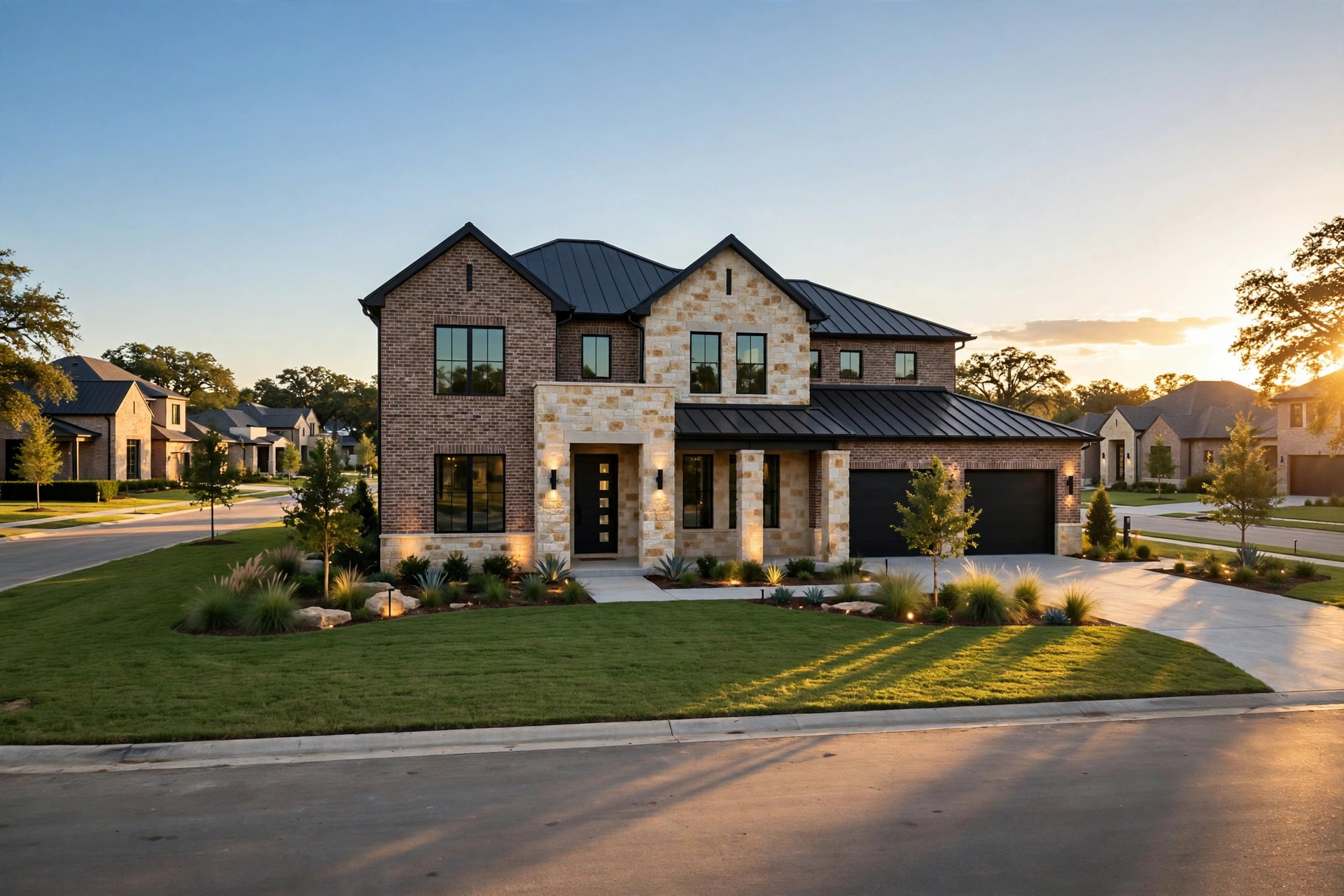
  • Prosper TX Downsides: What Realtors Won’t Tell You

    Why We Still Chose Prosper

    We moved from South Florida to Prosper in 2022 and we still live here. We still help buyers move here too. This post is the honest side of that choice. Prosper is a strong town with real tradeoffs, and you should know them before you fall in love with a floor plan.

    We chose Prosper with our eyes open. We knew growth would bring construction, traffic, and rising costs. We also knew the town fit our family. None of the downsides below surprised us out of Prosper, and none of them would keep the right buyer away. They are the price of living in a town that is growing fast. Read them, weigh them, and decide if the fit is right for you.

    The Cost Downsides: Taxes, HOA, and Special Districts

    Start with property taxes. They are a large part of the cost of owning here, and the total rate depends on the exact address. For a Prosper address on the Collin County side, the 2025 rates from the Collin County Appraisal District stack up like this. The Town of Prosper rate is 0.505 per $100 of value. Prosper ISD is 1.2141 per $100 of value for the 2025 to 2026 school year. Collin County is 0.149343 per $100 of value. Collin College is 0.08122 per $100 of value. Added together, that is about 1.95 per $100 of value before any MUD or PID.

    Prosper also sits in two counties. A Prosper address on the Denton County side uses Denton County rates, not Collin County rates. And a Prosper address does not always mean Prosper ISD. Some Prosper addresses sit in Celina ISD. Verify the school district and the full list of taxing entities by address through the appraisal district before you make an offer.

    Then add HOA dues and special districts. HOA dues vary widely by community, and they depend on what the community maintains. Ask for the dues, what they cover, and whether the community also carries a MUD or PID assessment. Some newer Prosper addresses sit inside a MUD or PID that adds to the total tax picture. The amount varies by district. Our post on how Texas property taxes, MUD fees, and PID fees work walks through how to read the notices with confidence.

    File your homestead exemption after closing, by April 30, and note the May 15 protest deadline. Those two dates save real money over time.

    The Lifestyle Downsides: Growth, Traffic, and Construction

    Prosper is growing fast. World Population Review, using Census estimates, puts Prosper at about 30,829 residents in 2020 and about 45,605 in 2025. Prosper ISD says it welcomed 3,400 new students in one recent year and now serves more than 31,000 students. Growth like that brings new schools, new roads, and new neighbors. It also brings construction.

    Traffic follows the rooftops. Prosper sits about 37 miles north of Dallas, so a Dallas commute is a real drive. Test drive your commute at the hours you would actually drive it, not on a quiet Sunday afternoon. If you work in Dallas, Plano, or Frisco, map the drive from the exact address, not from the town name.

    Road work is part of daily life right now. The North Texas Tollway Authority has begun construction on a bridge that will extend the Dallas North Tollway over US 380 into Prosper, as the first milestone of the Tollway Phase 4 project that will ultimately reach FM 428 in Celina. The project is meant to ease congestion in Frisco and Prosper. The US 380 bypass is also moving forward. Our post on the US 380 bypass explained in plain English covers the route, the 3.27 billion dollar cost, and the timeline. Expect construction years, not construction months, and buy with that in mind.

    What Prosper Does Not Have Yet

    This is the section that changes fastest, so treat it as homework, not as a fixed list. In the newest sections of town, growth is still arriving. Construction, road work, and new schools are part of the landscape while the town builds out. Drive the area around any address you are considering. Note what is open today, what is under construction, and how far you drive for groceries, dining, and daily errands. Then drive it again at night and on a weekend. A town that feels quiet on a Tuesday morning can feel very different on a Saturday afternoon.

    Ask the same question about the community itself. What amenities are open now, and what is still planned? Get the answer in writing from the builder or the HOA, not from a brochure promise. Planned amenities arrive on a schedule you do not control.

    Who Prosper Is Not Right For

    Prosper is not right for every buyer, and that is fine. If you need a short commute to downtown Dallas, Prosper will wear on you. If you want an older neighborhood with mature trees and no construction nearby, look at an established part of McKinney or Frisco instead. If the combined total of taxes, HOA dues, and any special district assessment stretches your budget, do not stretch to make Prosper work. A beautiful house in the wrong budget is not a good buy.

    Prosper fits buyers who want newer homes, more space, and a growing town, and who go in knowing the costs and the construction. If that sounds like you, Prosper can be a great fit. If it does not, a nearby town may fit better, and that is a win too. The goal is the right town, not just a town with a Prosper address.

    What To Do Before You Buy In Prosper

    • Verify the school district by address. A Prosper address does not guarantee Prosper ISD.
    • Look up the full tax rate for the exact address through the appraisal district, including any MUD or PID.
    • Ask for HOA dues in writing, plus what they cover.
    • Test drive the commute at real commute hours.
    • Drive the area at night and on a weekend.
    • Read our Prosper town guide and our mortgage and costs page before you tour.

    We still live in Prosper, and we still recommend it to the right buyer. Go in with the numbers, the drive times, and the tradeoffs clear, and you will make a good decision. If you want help weighing Prosper against a nearby town, Book a call with us.

    Luke Jones, REALTOR, eXp Realty, Texas license #793146
    Texas Real Estate Commission Information About Brokerage Services

  • Moving to Princeton TX: A Relocation Guide for Airport Area Buyers

    McKinney National Airport opens its new passenger terminal for commercial flights on November 11, 2026. That date changes the map for relocating buyers, because Princeton sits about 20 minutes east of the new terminal on US 380, in the middle of one of the fastest growth stories in America. If you fly for work, visit family often, or want easy airport access from a town that still feels like a town, Princeton deserves a spot on your short list. Here is the full relocation picture, with sourced numbers and no builder spin.

    Why Princeton Is on the Radar for Airport Area Buyers

    The airport piece is the one most buyers miss. McKinney National Airport is opening a new 46,000 square foot passenger terminal with 4 gates, carrying the IATA code DTX for commercial flights. It becomes the first commercial airport in Collin County and the third commercial airport in the Dallas Fort Worth region. Avelo Airlines signed on as the first carrier, launching 9 nonstop destinations. Princeton sits about a 20 minute drive from the terminal via FM 546 and US 380.

    That matters for more than convenience. Corporate travelers, consultants, and remote workers who fly weekly have started asking where to live near the airport. We told the full airport story, terminal timeline, routes, and what it means for nearby home values, in our guide to homes near McKinney National Airport. If you want the short version of what the November 11, 2026 opening means for home buyers, start with that timely airport update.

    The Growth Story, With Real Numbers

    Princeton is not growing fast by Texas standards. It is growing fast by national standards. The U.S. Census Bureau’s Vintage 2025 estimates put Princeton’s growth at 18.1 percent from July 2024 to July 2025, ranking it the third fastest growing American city with more than 20,000 residents.

    The North Central Texas Council of Governments puts the 2025 growth even higher, about 30 percent, which works out to roughly 10,000 new residents in a single year. Zoom out further and the arc is remarkable. Princeton counted 17,501 residents in 2020. World Population Review estimates 48,362 in 2026.

    That kind of growth shapes everything below: the commute, the schools, the dining scene, and the tax picture. Buy in the path of growth and you get momentum. Buy without understanding it and you get surprised.

    Where Princeton Sits

    Princeton sits on US 380 east of McKinney. That one road is the story of the commute, and it is why the planned bypass matters. TxDOT’s US 380 Bypass is an 8 lane freeway that will wrap around north McKinney from near Coit Road to US 380 near FM 1827. The Blue Alternative route was selected in September 2023 with a final Environmental Impact Statement and Record of Decision, the estimated cost is 3.27 billion dollars, and construction is not expected before 2026 or 2027 at the earliest, pending funding.

    Read what the US 380 bypass means for your drive between Princeton and McKinney before you fall in love with an address on a map. Until that freeway exists, the only honest commute test is driving 380 yourself at your real commute hours. A Saturday afternoon test drive tells you nothing about Tuesday at 7:30 in the morning. McKinney sits just west on 380 and anchors the corridor, so our McKinney guide is worth your time too.

    The Commute Reality

    Princeton is largely a bedroom community. The average commute runs 33 minutes, and about 23.7 percent of residents work outside Collin County. Local employment is projected to grow, and the airport expansion is expected to create more than 150 local jobs, but most residents still drive out of town for work today.

    If your office is in McKinney or along the 380 corridor, the commute is manageable and the bypass will only help. If your office is in downtown Dallas, budget for a long drive every day and be honest with yourself about whether that works for five years, not five weeks.

    Schools

    Princeton ISD has added nearly 1,000 students recently, which tells you how fast families are arriving. Growth pressure on schools is real in a town adding roughly 10,000 residents in a year. Always verify campus assignment by street address before you buy, and never shop by a rating you saw on a national website. The address determines the campus, not the city name on the mailbox.

    Before You Buy: Taxes, HOA, and Special Districts

    Texas property taxes surprise relocating buyers more than anything else on this list. For 2025 taxes, the Collin County Appraisal District lists the City of Princeton at 0.440226 per $100 of taxable value, Princeton ISD at 1.207200 per $100, and Collin County at 0.149343 per $100. Added together, that is roughly 1.80 dollars per $100 of appraised value, before any MUD or PID assessment.

    Two things to know about that number. First, tax rates are set every year, and the city held budget and tax rate hearings in late September 2026 on the 2026 rate, so confirm the current adopted numbers when you buy. Second, Texas voters approved a 140,000 dollar school district homestead exemption in November 2025, and you file for it by April 30 of your first year in the home. It helps, but it does not make Texas taxes low.

    HOA dues vary by community and builder phase, so ask for the current dues schedule and the HOA budget before you write an offer. Many Princeton new builds also sit inside MUDs or public improvement districts, which stack an assessment on top of your property tax. Look up any address you are serious about on the Collin County Appraisal District website, and read our plain English guide to how MUD and PID assessments work in Texas before you tour.

    What We Would Do Moving Here Now

    First, money first. Get pre approved and know your true numbers before you tour a single model home. The tax stack above is exactly why relocating buyers should run real numbers with a lender who knows Texas before they shop.

    Second, map your real week. Drive the commute at 7:30 on a Tuesday morning. Spend a Friday evening in town. Eat somewhere local. If the lifestyle fits your actual week, the numbers usually follow.

    Third, judge the address, not just the city. In Princeton, two homes five minutes apart can sit in different taxing units, different special districts, and different HOA structures. The campus, the tax picture, and the distance to the future bypass corridor matter more than the city name.

    Ready to Talk Through Your Move

    If Princeton is on your short list because of the airport, the growth, or the price gap with McKinney, the next step is a real conversation about your numbers and your timeline. Book a free strategy call with us, download our free Start Here guide for relocating families, or browse current McKinney area listings to see what the corridor looks like today.

    Arlicia Jones, NMLS 1550570, Elite Lending Solutions, Inc., Company NMLS 1829246

    Luke Jones, REALTOR, eXp Realty, Texas license #793146
    Texas Real Estate Commission Information About Brokerage Services

  • McKinney National Airport Opens November 11, 2026: What Home Buyers Should Know

    The date is finally set. McKinney National Airport opens its brand new commercial passenger terminal on November 11, 2026, and the first flight out is an Avelo departure to Fort Myers, Florida.

    We have been tracking this project since the groundbreaking because it changes the math for anyone buying a home in Collin County. Here is what is confirmed, what it means for nearby neighborhoods, and why buyers are paying attention right now.

    What is opening

    The airport is opening a 46,000 square foot passenger terminal with 4 gates, expandable to 6 as demand grows. It becomes the third commercial airport in the Dallas Fort Worth region and the first commercial airport in Collin County.

    Commercial flights get a brand new airport code: DTX. That is the code you will see on your boarding pass. TKI stays as the code pilots have used for general aviation here for decades.

    Avelo Airlines is the launch carrier and is basing 3 Boeing 737 aircraft right here in McKinney. Service runs Wednesday through Monday.

    Where you can fly nonstop from day one

    Nine nonstop destinations, rolling out in phases:

    • November 11: Fort Myers
    • November 12: Las Vegas and Orlando
    • November 19: Tampa and Fort Lauderdale
    • December 16: Atlanta and Denver
    • December 17: Nashville and New Orleans

    Avelo advertised promo one way fares starting at 99 dollars when the routes were announced.

    The airport projects about 200,000 passengers in its first year of commercial service, growing toward 1 million a year by about 2031. The expanded operation is expected to create more than 150 local jobs, and the airport director has projected economic impact near 1 billion dollars a year for the region.

    What this means if you are buying a home nearby

    Airports reshape the towns around them. Here is the honest version.

    East McKinney sits closest to the terminal. If you want the shortest drive to DTX, start there. Our McKinney relocation guide walks through costs, neighborhoods, schools, and commute facts.

    Princeton is about a 20 minute drive east on US 380, and it is the fastest growing city in the area. Buyers get new construction at prices that run well under McKinney, with the tradeoff of a longer commute. We wrote an honest buyer look at Princeton with the real numbers and the real tradeoffs.

    And US 380 itself is the corridor to watch. The planned US 380 bypass will reshape how the whole east side of McKinney connects to Princeton and beyond. We explained the bypass in plain English, including what is funded and what is still years out.

    Our full breakdown of homes near McKinney National Airport ties all of this together: which towns fit which buyers, and what to verify before you buy near a growing airport.

    Why the timing matters

    Right now, you can still buy near the airport before the terminal opens. Once commercial flights start and the jobs follow, the secret is out. That does not mean prices jump overnight, but it does mean more buyers competing for the same new construction.

    If McKinney, Princeton, or the 380 corridor is on your short list, the next few weeks are a smart time to get serious. Book a free North Texas Family Move Strategy Call and we will run your numbers against the neighborhoods that fit your life.

    Luke Jones, REALTOR, eXp Realty, Texas license #793146

    TREC Information About Brokerage Services: https://movingtonorthtexastx.com/wp-content/uploads/2026/09/iabs-luke-jones-2026.pdf

  • Dallas New Construction: 3 Costs Buyers Don’t Expect

    Walk into any model home in Prosper or Celina and the price on the sign looks almost reasonable. Then the real numbers show up, one at a time, long after you have fallen in love with the kitchen. We watch buyers get surprised by the same three costs over and over, so here they are up front, with real ranges, before you sign anything.

    Why the Base Price Is Not Your Real Price

    The base price buys you the floor plan with the builder’s most basic finishes on a standard lot. No upgrades, no premium lot, no extras. Almost nobody buys that house. The model home you toured is loaded with options. The lot you want costs extra. And the tax bill in year two looks nothing like year one. Budget for the real price from day one and the whole process stays fun.

    Cost 1: Design Center Upgrades

    The model home is the bait. Every beautiful finish you touched, the flooring, the counters, the light fixtures, the appliances, is an upgrade with a price tag. Luke’s new construction cost guides put the average buyer spend at $50K to $100K or more in design center upgrades.

    The fix is simple. Ask for the complete option price sheet before you write an offer. Decide your upgrade ceiling in advance. Every upgrade either raises your loan amount or your cash to close, so pick the upgrades you will touch every day and skip the ones you will never notice.

    Cost 2: Lot Premiums

    Love the cul de sac lot backing to greenbelt? That lot has its own price. Lot premiums in North Dallas new communities typically run $10K to $50K or more depending on location, and the premium is added straight to the base price. Corner lots, larger lots, and lots with a view all carry one. Ask to see the lot premium map for the community so you can compare what each homesite really costs before you pick.

    Cost 3: The Year 2 Tax Trap

    This is the one that wrecks budgets. In year one, your tax bill is based on the land or a partially completed home, because the appraisal district values the property as it stood on January 1. In year two, the district appraises the finished home at full market value and your tax bill jumps. Your escrow was set from year one numbers, so the lender recalculates and your escrow jumps with it.

    You cannot avoid the jump, but you can blunt it. File your homestead exemption with the county appraisal district by April 30 of your first year in the home. Texas now gives every homeowner a $140,000 school district exemption, raised by voters in November 2025, and once the exemption is on record your taxable value cannot rise more than 10 percent a year. If the appraised value looks high, protest it by the May 15 deadline. We covered special districts in our MUD and PID guide, so check whether your community adds one of those on top.

    What the Base Price Usually Leaves Out

    Even after upgrades and lot premiums, the base price skips a list of things resale homes include. Typical ranges from Luke’s cost guides: fencing $3K to $8K, window treatments $2K to $5K, landscaping $5K to $15K. None of it is in the base price.

    Then there are the recurring costs. HOA dues commonly run $50 to $300 a month in master planned communities, and a MUD or PID assessment can add to your tax bill every year the bonds are outstanding. Learn how new construction financing and costs work before you fall in love with a floor plan.

    How to Budget for All Three Before You Sign

    1. Get the full option sheet and the lot premium map in writing before you sign. Add upgrades, premium, and base together. That total is your real price.
    2. Price fencing, window treatments, and landscaping into your cash plan now, not after move in.
    3. Ask for the complete tax picture on the exact lot: base rate, any MUD or PID, and HOA dues. Look the address up at the county appraisal district.
    4. File your homestead exemption by April 30 and calendar the protest deadline every spring.
    5. Bring your own agent on your first visit to the model home, and get an independent inspection even on a new build. In an upcoming post we will break down exactly what you can negotiate with Texas builders.

    Book a Call

    Buying new construction in North Dallas? Book a free strategy call and we will walk through the real numbers on the community you are considering. Touring new construction communities is more fun when you know the full price before you go.


    Arlicia Jones, NMLS 1550570, Elite Lending Solutions, Inc., Company NMLS 1829246

    Luke Jones, REALTOR, eXp Realty, Texas license #793146
    Texas Real Estate Commission Information About Brokerage Services

  • Is Princeton TX Worth It? An Honest Buyer Look

    If you have been scrolling new construction listings in McKinney and wincing at the prices, someone has probably told you to look at Princeton. We hear it from relocating buyers every week. Princeton sits about 20 minutes east of McKinney on US 380, it is growing at a pace few American cities can match, and the price gap with McKinney is real. So is it worth it? Here is our honest take, with real numbers and the tradeoffs nobody puts in the builder brochure.

    Why Everybody Is Suddenly Asking About Princeton

    The U.S. Census Bureau’s Vintage 2025 estimates rank Princeton as the third fastest growing American city with more than 20,000 residents. It grew 18.1 percent from July 2024 to July 2025.

    The North Central Texas Council of Governments puts the 2025 growth even higher, about 30 percent, roughly 10,000 new residents in a single year.

    Zoom out and the arc is remarkable. Princeton counted 17,501 residents in 2020. World Population Review estimates 48,362 in 2026.

    That growth is not an accident. Princeton sits in the path of the US 380 corridor expansion and about 20 minutes from McKinney National Airport, where a new 46,000 square foot passenger terminal is under construction and commercial flights are expected to begin late 2026. We covered the airport story in depth here: Homes Near McKinney Airport: Why Princeton, TX Is the Move Before the New Terminal Opens.

    What Your Money Buys Compared With McKinney

    Here is the number that starts the conversation. The Census Bureau’s 2020 to 2024 American Community Survey puts the median owner occupied home value in McKinney at $471,800. In Princeton, the same survey vintage puts it at $294,071, via HomeSnacks.

    That is a gap of about 178,000 dollars at the median. In plain terms, Princeton runs roughly 38 percent less than McKinney at the median home value.

    Those are survey averages, not today’s list prices, so treat them as the shape of the market, not a quote. If you want to see what is actually for sale right now, start with current McKinney area listings and compare side by side.

    Most of Princeton’s housing stock is new. Builders stay active along the 380 corridor, which means you will see new construction incentives that rarely exist in McKinney’s established neighborhoods.

    The Honest Tradeoffs: Traffic, Dining, and Growing Pains

    Princeton is largely a bedroom community. The average commute runs 33 minutes, and about 23.7 percent of residents work outside Collin County.

    US 380 is the road that ties Princeton to McKinney, and it is also the road TxDOT plans to bypass with an 8 lane freeway around north McKinney. We explain the route, the 3.27 billion dollar price tag, and the timeline in plain English here: The US 380 Bypass Explained in Plain English. Until that freeway exists, drive 380 at your real commute hours before you commit to an address. A Saturday afternoon test drive tells you nothing about Tuesday at 7:30 in the morning.

    Dining and retail are the other honest tradeoff. Princeton added roughly 10,000 residents in a single year. Restaurants, coffee shops, and everyday retail are still racing to catch up with that kind of growth. McKinney’s historic downtown and its restaurant row are a short drive west, and plenty of Princeton buyers make that drive gladly. But if a walkable dinner scene is a must have on your list, spend a Friday evening in Princeton before you decide.

    Schools are scaling fast too. Princeton ISD has added nearly 1,000 students recently. Always verify campus assignment by street address before you buy, and never shop by a rating you saw on a national website.

    One more check before you fall in love with a floor plan: Texas stacks property tax with MUD or PID assessments in many new communities. Our plain English breakdown of how those work is here: Texas Property Taxes, MUD and PID Fees Explained.

    The Loan Programs Princeton Buyers Ask Us About

    Because so much of Princeton is new construction, most of our buyer conversations start with the same three loan programs: conventional, FHA, and VA. Each one treats new builds a little differently, especially around timelines, appraisals, and what the builder can contribute toward your costs.

    A quick note on how we talk about money here. We never quote rates, payments, or down payment amounts on the blog, because the right numbers depend on your credit, your income, and the loan program. What we can do on a call is run your real numbers against two or three Princeton floor plans and show you the true side by side.

    If you are relocating and buying before you sell your current home, tell us early. The strategy changes, and the earlier we map it, the smoother your move goes.

    Arlicia Jones, NMLS 1550570, Elite Lending Solutions, Inc., Company NMLS 1829246

    Who Princeton Fits, and Who Should Keep Looking

    Princeton fits buyers who got priced out of McKinney or Frisco and still want a new home in Collin County. It fits first time buyers who want new construction and room to grow. It fits commuters headed to McKinney or the 380 corridor who would rather trade drive time for square footage.

    Keep looking if you need a short commute into Dallas every day. Princeton will wear on you. If you want mature trees and established neighborhoods, look at east McKinney instead. If nightlife within walking distance matters, this is not your town yet.

    Our bottom line: Princeton is worth a serious look for buyers who want new construction in Collin County at a real discount to McKinney, and who go in with eyes open about the commute and the growing pains. Drive the corridor, spend an evening there, verify the campus and the tax picture by address, and then decide.

    Ready to see what is out there? View homes in the McKinney area. New to the area entirely? Download our free Start Here guide or start at the homepage.

    Luke Jones, REALTOR, eXp Realty, Texas license #793146
    Texas Real Estate Commission Information About Brokerage Services

  • The US 380 Bypass Explained in Plain English

    If you are shopping for a home anywhere along US 380, from east McKinney out to Princeton, there is one road project you need to understand. The US 380 bypass is TxDOT’s plan to move through traffic off the most congested stretch of 380 in Collin County. Here is what it is, where it goes, what it costs, and when it might actually open.

    Why 380 matters to your move

    US 380 is the main road connecting McKinney to Princeton, which sits east of McKinney right on 380. It is the same corridor that carries drivers between Princeton and the new passenger terminal at McKinney National Airport, about a 20 minute drive via FM 546 and US 380. If you are looking at homes in Princeton or east McKinney, this road is your daily life. That is why the bypass plan matters so much to your commute.

    What the bypass actually is

    The bypass is an 8 lane freeway that wraps around north McKinney. It starts near Coit Road on the west side and reconnects with US 380 near FM 1827 on the east side. The idea is simple. Traffic that is just passing through McKinney takes the new freeway, and local trips stay on 380. We cover the full airport story, including the new terminal opening in our McKinney airport area guide.

    The route TxDOT chose

    TxDOT studied several possible alignments and chose the Blue Alternative in September 2023. That choice came with the final Environmental Impact Statement and Record of Decision, which is the federal green light that lets a project move toward construction.

    What it costs

    TxDOT’s estimate for the bypass is 3.27 billion dollars. That is the number to remember if you see older coverage with a bigger figure. The funding picture is what drives everything after this point, because right of way comes first and construction follows when funding is in place.

    The timeline

    TxDOT said construction was not expected before 2026 or 2027 at the earliest, pending funding. The latest public update we have seen is that TxDOT is actively acquiring right of way for the project, and the City of McKinney has noted construction tentatively scheduled to begin in 2026. Check TxDOT’s project page for the current status before you plan a move around any date.

    What it means for your commute

    Short term, US 380 through McKinney stays busy, and once construction begins you should expect several years of work zones along the corridor. Long term, the bypass is designed to pull through traffic off 380, which is what makes that stretch so slow at rush hour. Our advice has not changed. Test drive 380 at the hours you will actually commute before you write an offer.

    What it means for buyers

    First, check how close a home you like is to the bypass corridor. Near the corridor can mean easier access once the road opens, and it also means living through the construction years. Second, treat 380 as the spine of this whole area. Princeton, east McKinney, and the towns farther east all feed into it. Third, remember that growth follows roads in North Texas. The corridor is one more reason buyers are looking east while prices there are still lower than McKinney proper. If McKinney is on your short list, see our McKinney page for the full picture of the area.

    Your next step

    Relocating to this corridor? Book a free strategy call with us and we will map your commute, your budget, and your timeline before you tour a single home. You can also download our free Start Here guide to North Texas.

    Luke Jones, REALTOR, eXp Realty, Texas license #793146. TREC Information About Brokerage Services.

  • Homes Near McKinney Airport: Why Princeton, TX Is the Move Before the New Terminal Opens

    Homes Near McKinney Airport: Why Princeton, TX Is the Move Before the New Terminal Opens

    Picture this. It is late 2026. You step off an Avelo Boeing 737 at McKinney National Airport, walk through a brand new terminal, get to your car, and 20 minutes later you are pulling into Princeton, Texas, one of the fastest growing cities in America.

    That is not a someday scenario. That is the timeline right now on the east side of Collin County.

    We moved our family from South Florida to Prosper, Texas in 2022, so we know what it feels like to choose a place from a distance and hope you got it right. If you fly into North Texas for work, or your company is relocating you to Collin County, two massive infrastructure bets are landing at the same time on this side of the county. Here is what is happening and why we think Princeton and east McKinney deserve a serious look now.

    What Is Happening at McKinney National Airport

    McKinney National Airport (airport code TKI) sits on the east side of McKinney, Texas. Commercial passenger service is on the way.

    The new terminal

    • A 46,000 square foot passenger terminal broke ground on July 18, 2025.
    • Commercial service begins November 11, 2026, with the first Avelo departure to Fort Myers. Commercial flights get a new airport code: DTX.
    • The terminal opens with 4 gates and can expand to 6.
    • Parking opens with 980 spaces and can expand to 1,450.

    How it is being paid for

    The total expansion costs 79 million dollars, and the terminal itself is 58 million dollars. Funding comes from sales tax revenue bonds, a 14.8 million dollar Texas Department of Transportation grant, tax increment reinvestment zone funds, and city and airport funds. No property tax dollars are being used. If you are buying a home nearby, that detail matters.

    The first airline

    Avelo Airlines signed as the first carrier in September 2026 and is basing 3 Boeing 737 aircraft at McKinney. Nine nonstop destinations roll out starting November 11: Fort Myers, Las Vegas, Orlando, Tampa, Fort Lauderdale, Atlanta, Denver, Nashville, and New Orleans. The expanded operation is expected to create more than 150 local jobs.

    Why it matters for the region

    • McKinney National Airport becomes the third commercial airport in the Dallas Fort Worth region and the first commercial airport in Collin County.
    • The airport projects about 200,000 passengers in its first year of commercial service, growing toward 1 million passengers a year by about 2031.
    • The airport director has projected the economic impact at near 1 billion dollars a year to the region.

    For a corporate traveler, the takeaway is simple. You may soon have a commercial airport on the same side of the county where you live.

    What Is Happening on US 380

    US 380 is the main road connecting McKinney to Princeton. If you have driven it during rush hour, you already understand why a bigger plan is coming.

    In September 2023, TxDOT selected the Blue Alternative route for the US 380 bypass with its final Environmental Impact Statement and Record of Decision. Here is what the plan includes:

    • An 8 lane freeway bypass wrapping around north McKinney
    • A route from near Coit Road to US 380 near FM 1827
    • An estimated cost of 3.27 billion dollars
    • Construction not expected to begin until 2026 or 2027 at the earliest, pending funding

    What this means for you: the bypass is a long horizon project. It will not change your commute next month. But a 3.27 billion dollar commitment tells you where the state expects traffic, and people, to keep going. We would rather buy in the path of that growth than after it is finished and fully priced in. Read our full explainer: The US 380 Bypass Explained in Plain English.

    One more thing. Drive 380 yourself at the hours you would actually commute before you pick a neighborhood. A map cannot show you what 5:30 on a Tuesday feels like.

    Why Princeton Belongs on Your List

    Princeton sits on US 380 east of McKinney, about a 20 minute drive from McKinney National Airport. Here is the growth story.

    • Census data: U.S. Census Bureau Vintage 2025 estimates show Princeton grew 18.1 percent from July 2024 to July 2025, the third fastest growing US city with more than 20,000 residents.
    • Regional data: The North Central Texas Council of Governments reports Princeton grew about 30 percent in 2025, adding roughly 10,000 residents.
    • The bigger picture: Princeton has grown from 17,501 residents in 2020 to an estimated 48,362 in 2026.
    • Schools: Princeton ISD has added nearly 1,000 students recently.

    Growth like that shows up as new neighborhoods, new construction, and new families who made the same decision you are weighing right now.

    What to know going in

    Princeton is largely a bedroom community today. The average commute is 33 minutes, and about 23.7 percent of residents work outside Collin County. Local employment is projected to grow, and a commercial airport 20 minutes away with more than 150 new local jobs attached is part of that picture.

    For a corporate relocator who travels often, that combination is the point. You get a fast growing town, a commute many of your neighbors already make every day, and a commercial airport close to home.

    Where Else to Look Near the Airport

    Princeton is not the only option. If being close to TKI matters to you, we would look at the whole US 380 corridor.

    East McKinney

    The airport is on the east side of McKinney, so east McKinney puts you closest to the terminal while keeping you inside the city. If you want the full picture of neighborhoods, schools, and daily life there, start with our guide to living in McKinney.

    Farther east along 380

    The same logic that makes Princeton interesting applies to the towns along 380 beyond it. As the airport and the highway plans mature, we expect relocation buyers to keep looking at this whole stretch. Each town has its own school district, tax picture, and drive time, so compare them side by side before you fall in love with a floor plan. We put the full comparison in our guide to where to live near McKinney National Airport, with Princeton, east McKinney, Farmersville, and Greenville side by side.

    How we would compare them

    • Drive time to TKI and to your office
    • School district and campus assignment for the specific address
    • Property tax rate, plus any HOA or special district assessments
    • How close the home sits to the planned bypass route

    What We Would Do If We Were Relocating Here Now

    We have been the family moving across the country with kids and a deadline. Here is how we would approach it.

    1. Settle the money before you shop. Get your financing strategy in place first so you know exactly what you are shopping for. Arlicia, NMLS 1550570, walks relocating families through this before they ever tour a home.
    2. Map your real week. List your office, the airport, school, church, and anywhere else you go regularly. Then test those drives.
    3. Look at the address, not just the city. School assignments, tax districts, and HOAs can change from one neighborhood to the next.
    4. Check the bypass route. Know whether a home sits near the planned corridor and what that could mean during and after construction.
    5. Move before the crowd notices. Once commercial flights are running and the bypass gets underway, more buyers will be looking at this side of the county. Doing your homework now gives you more choices and more time.

    Ready to Look at Homes Near McKinney Airport?

    If you are flying into TKI for work, or your company is moving you to Collin County, we would love to help you sort out both sides of the move: the home and the money.

    We made this move ourselves. We would be glad to help you make yours with a clear plan.

    Frequently Asked Questions

    When do commercial flights start at McKinney National Airport?

    Commercial flights are expected to begin late 2026. The new 46,000 square foot terminal opens to the traveling public on November 11, 2026. Avelo Airlines is the first carrier and plans up to 3 daily departures.

    Where can I find homes near McKinney airport?

    The airport sits on the east side of McKinney, so east McKinney puts you closest to the terminal. Princeton, about 20 minutes east on US 380, is the other area we would look at first, along with the towns farther east on 380.

    How far is Princeton, TX from McKinney National Airport?

    Princeton is about a 20 minute drive from McKinney National Airport, mainly along US 380.

    Why are so many people moving to Princeton, TX?

    Princeton is one of the fastest growing cities in America. Census estimates show it grew 18.1 percent from July 2024 to July 2025, and the city has grown from 17,501 residents in 2020 to an estimated 48,362 in 2026. Princeton ISD has added nearly 1,000 students recently.

    What is the US 380 bypass, and when will construction start?

    It is a planned 8 lane freeway bypass wrapping around north McKinney, from near Coit Road to US 380 near FM 1827. TxDOT selected this Blue Alternative route in September 2023. The estimated cost is 3.27 billion dollars, and construction is not expected to begin until 2026 or 2027 at the earliest, pending funding.

    Are property taxes paying for the new airport terminal?

    No. The 79 million dollar expansion is funded by sales tax revenue bonds, a 14.8 million dollar Texas Department of Transportation grant, tax increment reinvestment zone funds, and city and airport funds. No property tax dollars are used.

    Luke Jones, REALTOR, eXp Realty, Texas license #793146. Arlicia Jones, NMLS 1550570, Elite Lending Solutions, Inc., Company NMLS 1829246. Equal Housing Opportunity.

    Texas Real Estate Commission Information About Brokerage Services

  • Texas Property Taxes, MUD & PID Fees Explained

    When we moved from South Florida to Prosper in 2022, we thought we understood what a house costs. Florida taught us to watch insurance. Texas taught us something different: the price on the listing is only part of the story.

    Here is the short version. Two North Texas homes at almost the same price can cost very different amounts every year, because of the property tax rate for that exact address and any MUD or PID fees attached to the neighborhood. If you only compare prices, you can miss the number that actually shapes your monthly budget.

    This guide walks through how Texas property taxes, MUD taxes, and PID fees work, and what we check on every home before a family we help makes an offer.

    Why Texas Property Taxes Feel Higher

    Texas has no state income tax. Local services like schools, roads, and public safety are funded largely through property taxes, so the rate carries more weight here than in many states.

    Your property tax rate is not one number. It is a combination of every taxing unit that covers your address, which can include:

    • School district (usually the largest share)
    • City
    • County
    • Community college district
    • MUD, if the neighborhood has one

    That is why two homes in the same city, or even on opposite sides of the same road, can have different rates.

    We saw this firsthand when we compared two new builds at nearly the same price in Frisco and Prosper. At the time we filmed, the Frisco home carried a combined tax rate of about 1.63% and the Prosper home about 1.92%. The houses were close in price. The tax rate is what created the gap in the monthly cost.

    Prosper is the town we call home, and taxes are only part of what it costs to live here. We wrote the honest downsides of living in Prosper TX as the companion guide every buyer should read.

    How Your Tax Bill Is Calculated

    The basic formula is simple:

    Appraised value, minus exemptions, times the combined tax rate.

    The appraisal district sets the value. In most of North Dallas that is the Collin Central Appraisal District or the Denton Central Appraisal District, depending on the address.

    Three things relocating buyers often miss:

    1. New construction taxes can jump in year two.
    If you buy a new build, the first tax bill may be based on the land or a partially completed home. The next year, the county taxes the finished home. Your escrow account adjusts, and your payment can rise. We always estimate taxes on the full completed value so there is no surprise. That year two tax jump is only one of three costs Dallas new construction buyers do not expect.

    2. The homestead exemption is not automatic.
    Once the home is your primary residence, you file for the homestead exemption with the appraisal district. It lowers your taxable value for school district taxes by $140,000 (raised from $100,000 by voters in November 2025, effective for the 2025 tax year onward) and adds protection on future increases.

    3. The homestead cap protects you after year one.
    With a homestead exemption in place, the taxable value of your home generally cannot rise more than 10% per year, even if the market value rises faster.

    What Is a MUD?

    A MUD is a Municipal Utility District. Developers use MUDs to pay for water, sewer, and drainage in new communities, often in areas the city has not fully built out.

    The MUD issues bonds to pay for that infrastructure, and homeowners in the district repay those bonds through a MUD tax rate added to their property tax bill.

    What to know:

    • The MUD rate is added on top of your other tax rates
    • It can decrease over time as bonds are paid down and more homes are built, but that is not guaranteed
    • Texas requires the seller to give you a MUD disclosure notice before closing
    • Homes in a MUD are not a bad buy. They just need to be priced with the full rate included

    What Is a PID?

    A PID is a Public Improvement District. It funds improvements inside a specific neighborhood, like roads, trails, parks, entry features, or landscaping.

    Unlike a MUD tax, a PID is usually an assessment:

    • Often a set annual amount rather than a rate
    • Usually runs for a fixed number of years
    • Some PIDs allow you to pay off the balance early
    • It may appear on your tax bill or be billed separately
    • Texas requires the seller to disclose the PID before you sign

    For example, in the Windmore community in Princeton, the PID assessment runs about $2,300 per year for a typical 60-foot lot, based on the Windmore PID’s 2025-26 assessment roll. The exact amount varies by lot size and improvement area, so confirm the figure for the specific property on its disclosure. That is a real line item in a monthly budget, and it is one we see left out of early builder estimates.

    MUD vs. PID vs. HOA

    MUD PID HOA
    What it pays for Water, sewer, drainage Neighborhood improvements Amenities, common areas, rules
    How it is charged Tax rate on your value Annual assessment Monthly or annual dues
    Where you see it Property tax bill Tax bill or separate bill Paid to the HOA
    Does it end? When bonds are paid off After a set term Ongoing

    A single neighborhood can have all three.

    How These Fees Affect Your Mortgage

    On the mortgage side, Arlicia, NMLS 1550570, qualifies buyers on the full monthly payment, not just principal and interest. That includes property taxes, MUD taxes, PID assessments when they are escrowed, homeowners insurance, and HOA dues.

    This matters for two reasons:

    • A higher tax rate or a PID can change how much home you qualify for
    • If a fee is missing from an early estimate, it shows up later in your escrow and your payment

    The goal is to know the real number before you fall in love with the house, not after.

    What We Check Before You Buy

    Here is the list we run on every home:

    1. The combined tax rate for the exact address, not the city average
    2. Whether the home is in a MUD, and the current MUD rate
    3. Whether there is a PID, the annual amount, years remaining, and payoff option
    4. HOA dues and what they cover
    5. For new construction, taxes estimated on the completed value
    6. A reminder to file the homestead exemption after closing
    7. The seller and title disclosures for MUD and PID before the option period ends

    What We Would Tell a Friend

    Property taxes are not a reason to avoid North Texas. They are a reason to plan well. We believe big decisions should be made with clear eyes and a settled heart, and that starts with seeing the whole number.

    If you are comparing Prosper, Frisco, Celina, McKinney, or Princeton, compare the full yearly cost of each home, not just the price. That one habit will protect your budget more than any negotiation.

    Frequently Asked Questions

    Are property taxes higher in Texas than in Florida?
    Texas rates are generally higher, but Texas has no state income tax, and insurance and other costs differ. The fair comparison is your total yearly housing cost in each place, not the tax rate alone.

    Is it bad to buy a home in a MUD?
    No. Many great North Texas neighborhoods are in a MUD. The key is including the MUD rate in your budget and comparing it to similar homes outside a MUD.

    Can I pay off a PID?
    Some PIDs allow early payoff. Ask the title company or the PID administrator for the payoff amount and terms on the specific property.

    Get Your Real Numbers

    Want to see the full yearly cost of a specific home or neighborhood before you commit?

    Book a free North Texas Family Move Strategy Call:
    https://calendly.com/loansbyarlicia/movetontx

    Free North Texas Tools

    Find Homes Near North Dallas:
    https://form.jotform.com/262324094991058

    Frisco vs. Prosper Family Relocation Scorecard:
    https://form.jotform.com/262325200354041

    Frisco vs. McKinney Family Fit Check:
    https://form.jotform.com/262507498373063

    Watch on YouTube: Moving to North Texas | Relocation, Homes, & Money (@MovingToNorthTexasTX)


    About Us

    Luke and Arlicia Jones moved from South Florida to Prosper, Texas in 2022 and now help families relocating to North Texas with both the home and the mortgage.

    Luke Jones, Texas REALTOR®, Relocation Buyer Specialist, eXp Realty, TX License #793146
    Arlicia Jones, NMLS 1550570, Licensed Texas Mortgage Broker
    Elite Lending Solutions, Inc., Company NMLS 1829246

    Call or Text: 305 747 9311
    Email: HomesByLukeJones@gmail.com
    Instagram: https://www.instagram.com/dallas_home_collection

    This article is general information, not tax, legal, or lending advice. Tax rates, exemptions, and fees change each year. Verify figures for any specific property with the appraisal district, title company, and your lender.

    eXp Realty, LLC, Texas Broker License #603392
    Texas Real Estate Commission Information About Brokerage Services: https://movingtonorthtexastx.com/wp-content/uploads/2026/09/iabs-luke-jones-2026.pdf
    Texas Real Estate Commission Consumer Protection Notice: https://www.trec.texas.gov/forms/consumer-protection-notice

    Equal Housing Opportunity.